
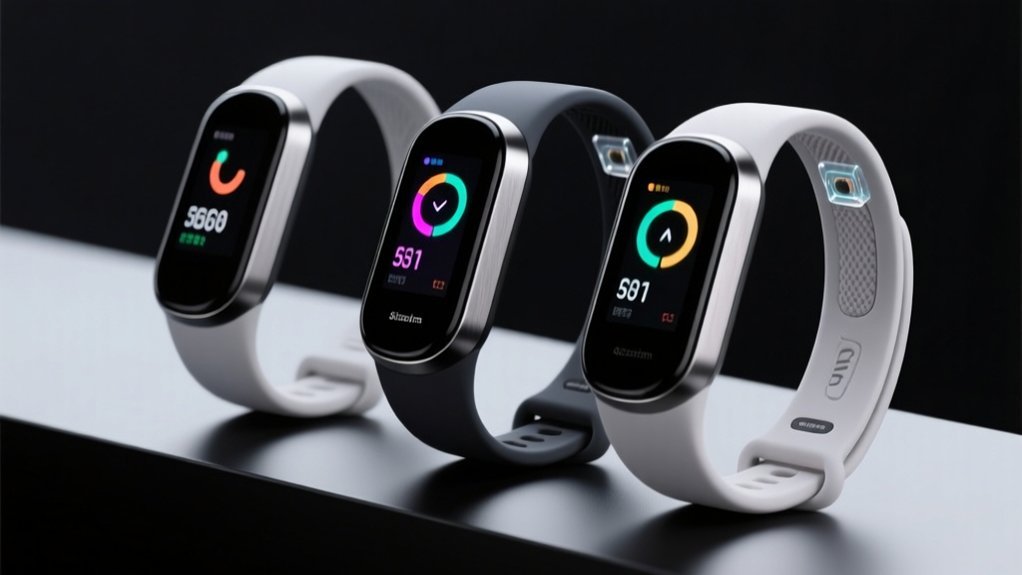
3 Best Wrist Sensors for Health Monitoring
In 2026, your wrist isn’t just for telling time—it’s become an essential health hub. The top sensors now deliver accurate readings for oxygen levels, heart rate, blood pressure, sleep quality, and activity, all with impressive comfort and durability. Whether you’re a fitness buff or just health-curious, choosing the right device can seem intimidating, but knowing what features matter most—and how they perform in real life—can make all the difference. Curious about which models stand out? Keep going.
Continuous Pulse Oximeter Fingertip with App and Bluetooth (Oxyfit)

- Accurate Tracking: Real-time display of blood oxygen saturation, heart rate, and pulse strength with continuous recording; Tracks your SpO2 metrics effortlessly day and night; SpO2 levels accurate to...
- Smart Data Management: Automatically stores 40 hours of measurements locally, 4 sets of 10-hour data; Instantly syncs to ViHealth app via Bluetooth for visual trend charts and unlimited PDF report...
- Auto-Measurement: Powers on/off automatically with no buttons; Starts tracking vital signs immediately upon finger insertion – no manual operation needed for seamless monitoring

If you want an easy way to track your health, the Continuous Pulse Oximeter Fingertip with App and Bluetooth (Oxyfit) is a good choice. Just put your finger in it, and it turns on by itself. It shows your blood oxygen level (SpO2), heart rate, and pulse strength right away. The readings are accurate within ±2% when the levels are between 80-100%. The device can store up to 40 hours of data, so you can check your progress over time. It connects quickly to the ViHealth app, where you can see charts and download PDFs to review your data easily. It’s lightweight, rechargeable, and has adjustable brightness for your comfort. This device makes it simple to keep an eye on your health no matter where you are.
Best For: People who want a simple, dependable way to monitor their blood oxygen, heart rate, and pulse for fitness, flying, or health tracking.
Pros:
- Turns on automatically when you insert your finger.
- Stores up to 40 hours of data.
- Connects fast to the ViHealth app for detailed views.
- Gives real-time results with high accuracy.
- Has adjustable brightness for easy reading.
Cons:
- Not meant for medical diagnosis or treatment.
- Used for non-clinical purposes only.
- Battery lasts about 14 hours and needs recharging.
This device helps you stay aware of your health without long setups. It’s easy to use and portable, so you can check your stats anytime, anywhere.
Amazfit Helio Strap Fitness Tracker Wristband

- Recovery, Redesigned: Train, sleep, and rest with confidence thanks to accurate heart rate, fatigue, and recovery tracking. When worn together with an Amazfit smartwatch, both devices work together...
- Up to 10 Days of Battery Life: Go longer between charges. The Helio Strap delivers lasting performance to keep up with your training and recovery - day and night.
- 24/7 Advanced Health Tracking: Get pinpoint heart rate data while training, and stay informed all day with continuous monitoring of heart rate, blood-oxygen, stress, and sleep
The Amazfit Helio Strap Fitness Tracker Wristband is a great choice if you want to keep a close eye on your health and your workouts. It measures your heart rate, blood oxygen, stress, and sleep, so you get a clear picture of your overall health. The band supports 27 sports modes, including strength training and Hyrox races. It tracks reps, sets, and rest times during your workouts, helping you push your limits. The Zepp App shows you post-workout data like VO₂ max and recovery time, so you know how you’re doing. With a battery that lasts up to 10 days and easy compatibility with Android and iPhone, it’s ready for your active lifestyle.
Best For: People who want detailed health info and advanced training features for many sports and workouts.
Pros:
- Tracks many health metrics like heart rate, blood oxygen, stress, and sleep.
- Supports 27 sports modes, with detailed workout info like reps, sets, and rest.
- Long battery life of up to 10 days. Works with Android and iPhone devices.
Cons:
- Doesn’t have features like GPS or music storage built in.
- Needs the Zepp App for detailed data, which means syncing regularly.
- Some features work best with an Amazfit smartwatch, which can add to the total cost.
Smart Health Wristband, Heart Rate & Blood Pressure Monitor, Sleep & Activity Tracker, 120+ Sports, 60-Day Battery, 2 Bands

- 【24-Hour Health Monitor】The heart rate monitor watch continuously tracks heart rate, resting heart rate, blood pressure, stress levels, sleep quality, and menstrual cycle (for women),sleep monitor...
- 【All Day Sleep Tracker】Our advanced sleep tracker delivers 24-hour analysis, automatically monitoring night sleep and daytime naps to provide comprehensive insights. It professionally interprets...
- 【Sports Modes & Activity Tracking】120+ Sports Modes with Precision GPS Tracking. Elevate every workout with comprehensive activity monitoring. This fitness tracker bracelet captures your...
Whether you love sports or just want to keep track of your health, this wristband has a lot to offer. It watches your heart rate, blood pressure, stress levels, sleep, and even helps women track their menstrual cycle. The device sends your data straight to an easy-to-use app. The app gives you simple insights to help you reach your health goals.
It has over 120 sports modes, like swimming, hiking, and running. It counts your steps, calories, and how far you go. It even shows you your progress during your activities. The wristband lasts a long time too. It keeps going for up to 60 days on a single charge. Plus, it is lightweight and strong, so it stays comfortable on your wrist. You can wear it all day without needing to charge often.
This wristband is best for anyone who wants a clear view of their health and activity. It is simple to use, lasts long, and works for many types of exercise.
Pros:
- Tracks your heart rate, blood pressure, stress, and sleep accurately.
- Supports more than 120 different sports to track your activities.
- Long battery life of up to 60 days. Fast charging makes it easy to recharge.
Cons:
- Sometimes the data is not 100% accurate.
- It isn’t fully waterproof, so avoid hot water or swimming in the sea.
- It has no built-in screen. You need the app to see your data.
Factors to Consider When Choosing Wrist Sensors for Health
When choosing a wrist sensor, you’ll want to take into account how accurate its measurements need to be—whether you’re tracking daily steps or monitoring medical conditions. Connectivity options like Bluetooth or NFC matter too, especially if you want seamless data syncing with your devices, and battery life can make or break your daily routine. Plus, don’t forget about comfort and design; if it’s uncomfortable or looks odd, you might forget you’re even wearing it, which defeats the purpose.
Measurement Accuracy Needs
To get good health data from your wrist sensor, it’s important to pick the right device. Look for one that measures things like SpO2 and heart rate accurately. It should be within about 2% of the real values, especially when your levels are normal, like 80-100%. The way the sensor fits your skin matters too. A soft, snug fit helps get better readings and reduces mistakes.
If you want to track your data over days or weeks, choose a device that stores and syncs your info well. This way, you can see real trends without second-guessing. Be aware that movement, skin color, and temperature can affect how accurate the sensor is. Some sensors use special algorithms to fix these issues and give more reliable results.
Finally, check if the device has been tested or certified by health experts. These approvals show the device meets strict health standards. With these tips, you can find a wrist sensor that gives you trustworthy health data.
Connectivity Options
Choosing the right way to connect your wrist sensor is important. Most sensors use Bluetooth or BLE (Bluetooth Low Energy). These are common and easy to use. They let your sensor send data to your phone, tablet, or computer. The range is about 10 meters, so you need to stay close.
Some sensors also have Wi-Fi or cellular connections. These options let you send data even if Bluetooth isn’t around. This is useful when you work out outside or travel. With Wi-Fi or cellular, you can monitor your data from anywhere.
The stability of the connection affects how well your data gets sent. A bad connection might cause missed updates. Make sure your sensor has good security features, such as encryption or user login. This keeps your health info safe and private.
Pick the connectivity option that fits your lifestyle. Whether Bluetooth, Wi-Fi, or cellular, each has benefits. The right choice helps keep your health data accurate and protected.
Battery Life Expectations
When choosing a wrist sensor, think about how long the battery lasts. You don’t want your device to run out of power in the middle of a hike or health check. Look for a sensor that can last at least 10 days on a single charge. This way, you can wear it longer without needing to recharge all the time. Good battery life helps you stay active and track your health without interruptions.
Some sensors charge quickly, which saves time. This makes it easier to keep using the device without much pause. Battery size and how the device manages power matter because they decide how often you need to plug it in. If your sensor has a reliable battery, you can trust it during workouts or health tests. You won’t need to worry about it dying unexpectedly. Picking a device with good battery life helps you stay consistent and get better health insights.
Compatibility Compatibility
When picking a wrist sensor, it’s important to check if it works well with your devices. First, see if it is compatible with your phone’s operating system, like iOS or Android. This helps the app work smoothly. Bluetooth support is also needed so your data can sync easily. If you have other health gadgets, make sure the sensor can talk to them without problems.
Check what health data it can measure. For example, does it track blood pressure or sleep? If you want to look at your stats on other apps, see if it works with platforms like Strava or TrainingPeaks.
Making sure your wrist sensor works with your devices makes using it easier. It helps you get accurate data and keeps everything simple.
Design and Comfort
Have you ever worn a wrist sensor and forgot you were even wearing it? That’s because good design and comfort make a big difference. The shape of the sensor should match the curve of your wrist. It shouldn’t pinch or press too hard. Using light materials like soft silicone or breathable fabrics helps keep it comfortable so your wrist doesn’t get tired. An adjustable strap makes sure it fits snugly but gently. This helps prevent skin irritation. Choosing hypoallergenic materials can also stop itching or rashes.
Where you put the sensor on your wrist is important, too. It should stay in place while you’re moving around, whether you’re typing or jogging. The clip or fastener should be easy to open and close. The simple design makes it easy to put on and take off without fuss.
Good design makes a health sensor feel almost invisible. It becomes part of your daily routine without bother.
Data Storage Capabilities
Wrist sensors can store a lot of health data right on the device. Depending on the model, they can keep data for hours or even days. Some can hold up to 40 hours of activity logs, while others can store info for up to 60 days. This means you can wear them all day and night without needing to upload data all the time.
Many sensors connect to apps or the cloud. This way, they sync your data automatically so your log stays up-to-date. This makes tracking long-term trends easy. Some devices have big storage options, even unlimited storage when connected to an app. That way, you can keep a lot of information nearby.
Having more data stored on your device or app helps give you better health insights. You don’t need to worry about losing important info because it’s saved automatically. Overall, the more data your wrist sensor can hold, the better it can help you understand your health.
Special Feature Availability
Picking a wrist sensor isn’t just about counting steps or checking your heart rate. It’s also about the extra features that can make the device more useful. For example, some sensors can track blood pressure or measure stress levels. Others have special modes for sports like running, cycling, or swimming.
Some watches can show notifications from your phone, so you don’t miss messages. They can send alerts for calls or apps and share data in real time. This helps you stay connected and respond quickly.
Advanced sensors can check the environment around you. They might measure temperature or UV exposure. These details give a fuller picture of your health and surroundings.
Some devices also include features like tracking how you sleep or your menstrual cycle. Others have early warning alerts for health issues. Higher-end models may include recovery tracking or calculate your VO₂ max, but you need compatible apps for that.
All these extra features can help you manage your health better. They add value to your wrist sensor and make it more helpful for daily life.
FAQs
How Do Wrist Sensors Improve Long-Term Health Monitoring Accuracy?
Wrist sensors improve long-term health monitoring accuracy by continuously tracking essential signs, detecting patterns over time, and minimizing errors through real-time data collection, helping you identify health trends and make informed decisions about your wellness.
Are Wrist Sensors Suitable for Monitoring All Sports and Activities?
Wrist sensors suit most sports and activities, but they might not be ideal for high-impact or aquatic sports. You should choose devices with sport-specific features and secure straps to guarantee accurate readings and comfort during your activities.
How Do Wrist Sensors Compare to Traditional Medical Devices?
Wrist sensors often provide convenient, continuous data but might lack the precision of traditional medical devices. You can rely on them for general health trends, yet see a doctor for critical diagnostics or detailed medical assessments.
What Are the Latest Materials Used for Comfortable Wrist Sensor Straps?
You’ll find that latest wrist sensor straps use materials like flexible silicone, breathable fabrics, and thermoplastic elastomers, which provide comfort, durability, and skin-friendliness. These innovations guarantee you experience minimal irritation during long-term wear.
How Secure Is the Data Transmitted From Wrist Sensors to Apps?
You can trust that data transmitted from wrist sensors to apps is secured through encryption protocols like SSL/TLS, ensuring your health information stays private. Manufacturers also implement continuous updates to address emerging security threats effectively.
Last update on 2026-01-29 / Affiliate links / Images from Amazon Product Advertising API

